-
The life-changing magic of tidying your work
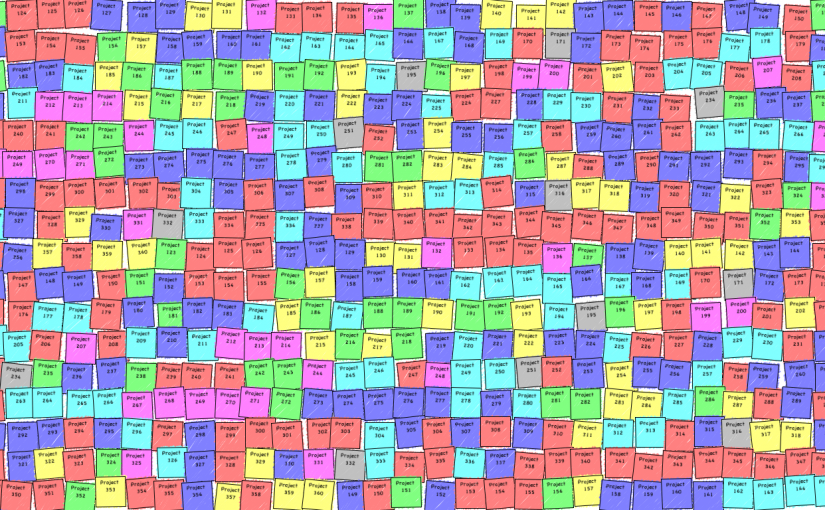
Surprise! Managing work in a large organisation is a lot like keeping your belongings in check at home. Get it wrong at home and you have mess and clutter. Get it wrong in the organisation and you have excessive work in progress (WIP), retarding responsiveness, pulverising productivity, and eroding engagement. Reading Marie Kondo’s The Life-Changing…
-

No Smooth Path to Good Design
The path to good design is bumpy, as we will demonstrate with four teapots. (Yes, teapots. Teapots are a staple of computer science and philosophy.) The path to good design matters, because if you are trying to build a design capability, the journey will be smoother if you understand that the path is bumpy. Leaders…
-

Concrete Culture Change
Culture is often difficult to define, and culture change even more so – what concrete actions do we need to take to change a culture? Despite this apparent difficulty, it is possible to spend an hour or two with a group, and leave with consensus on practical actions for culture change. This exercise achieves that…
-

Jetty to Jetty app
I released an app 🙂 – for iOS and Android. It’s a self-guided audio tour of historic sites in Broome, Western Australia, including beautiful stories told by locals. Nyamba Buru Yawuru developed the concept, curated the media, engaged local stakeholders, and were product owners for the app. This work was exciting for its value to the…
-

Health Hack Perth 2015
HealthHack is a three-day event bringing medical researchers and health practitioners together with software creators to prototype a new generation of health products. Business News Western Australia covered the Perth 2015 event in: HealthHack – ailments, remedies in equal doses. I helped organise this event with assistance from sponsors ThoughtWorks and Curtin University (among numerous other generous…
-

Arguments with Agency
Here are slides from my talk at LASTconf 2015. The title is “Bring Your A-Game to Arguments for Change”. The premise is that there are different types of arguments, more or less suited to various organisational and delivery scenarios, and the best ones have their own agency. In these respects, you can think of them like…
-

Fireballs in the Sky wins iAward
Very exciting news for the Fireballs in the Sky app team from Curtin University and ThoughtWorks: the app won the iAwards education category in 2015! The AIIA iAwards are the premier awards program for innovation in the Australian digital economy. Believe me, I am excited, even though Phil gets all the speaking parts in this heavily edited interview 🙂 I…
-

Your Software is a Nightclub
Why a nightclub? Well, it’s a better model than a home loan. I’m talking here about technical debt, the concept that describes how retarding complexity (cost) builds up in software development and other activities, and how to manage this cost. A home loan is misleading because product development cost doesn’t spiral out of control due to missed interest payments over…
-

Dumbbell Delivery; Antifragile Software
Not online fitness shopping. Not the brogrammer pumping iron. This is a brief discussion of Antifragile – the latest book by Nassim Nicholas Taleb – and relevant insights for software delivery or other complex work. This isn’t meant to be an exhaustive exploration of the topics. It’s more a join-the-dots exercise, and it’s left up to the…
-

Narrative Visualisation Tools
I use narrative visualisations a lot. I like to frame evidence so that it commands attention, engages playful minds, and tells its own story (see also Corporate Graffiti). I’ll put new tools on GitHub as I create them. Here are three to start. Visualising Stand-Up Attendance I used the Space Invader metaphor with a busy leadership team…