This is the talk I gave at Agile Australia 2013 about the role of simulation in product development.
Check out a PDF of the slides with brief notes.

Read on for the abstract and an outline.
Abstract
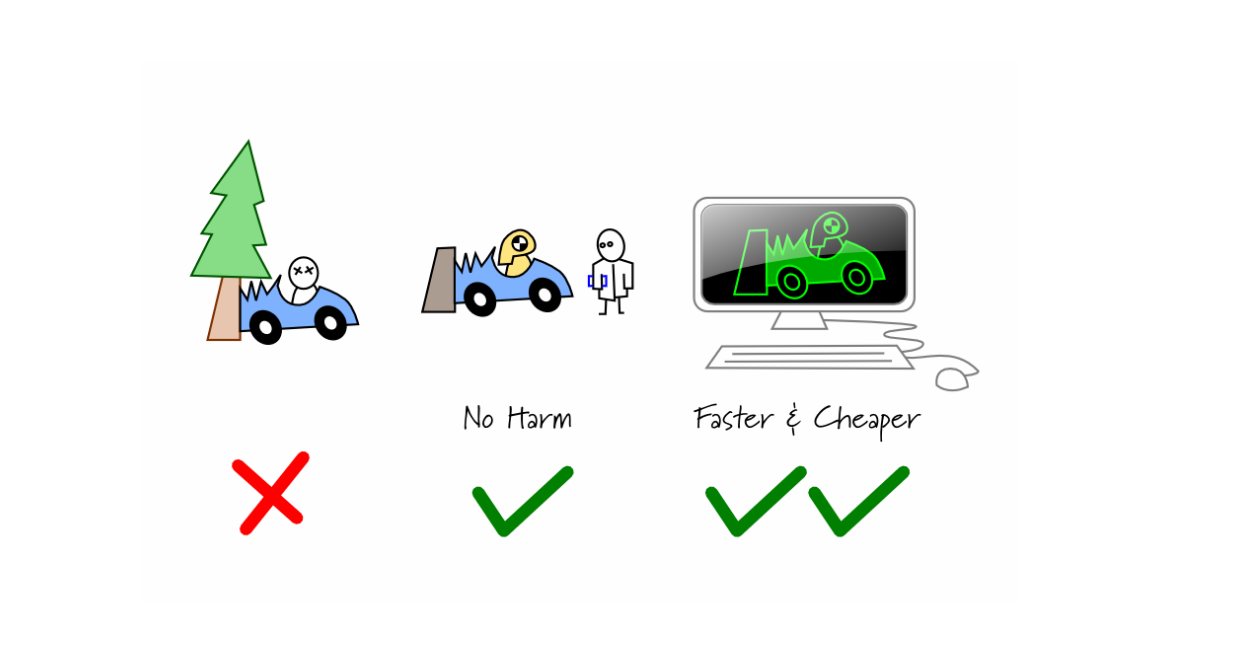
Stop testing on humans! Auto manufacturers have greatly reduced the harm once caused by inadvertently crash-testing production cars with real people. Now, simulation ensures every new car endures thousands of virtual crashes before even a dummy sets foot inside. Can we do the same for software product delivery?
Simulation can deliver faster feedback than real-world trials, for less cost. Simulation supports agility, improves quality and shortens development cycles. Designers and manufacturers of physical products found this out a long time ago. By contrast, in Agile software development, we aim to ship small increments of real software to real people and use their feedback to guide product development. But what if that’s not possible? (And can we still benefit from simulation even when it is?)
The goal of trials remains the same: get a good product to market as quickly as possible (or pivot or kill a bad product as quickly as possible). However, if you have to wait for access to human subjects or real software, or if it’s too costly to scale to the breadth and depth of real-world trials required to optimise design and minimise risk, consider simulation.
Learn why simulation was chosen for the design of call centre services (and compare this with crash testing cars), how a simulator was developed, and what benefits the approach brought. You’ll leave equipped to decide whether simulation is appropriate for your next innovation project, and with some resources to get you started.
Discover:
- How and when to use simulation to improve agility
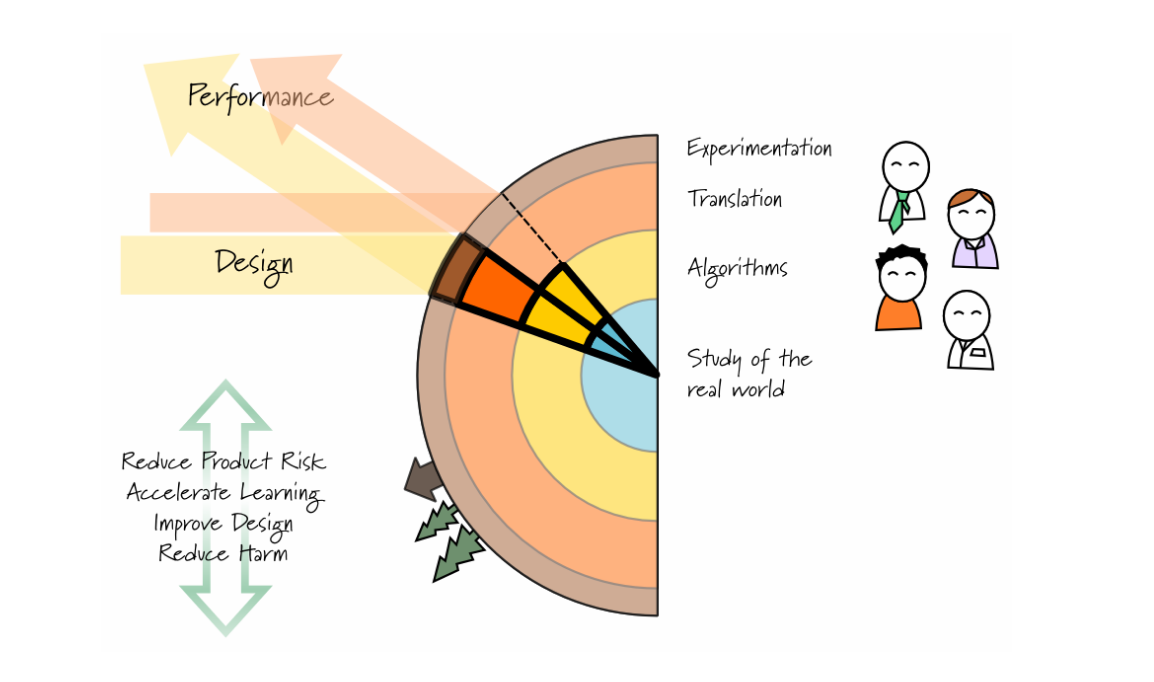
- The anatomy of a simulator
- A lean, risk-based approach to developing and validating a simulator
- Techniques for effectively visualising and communicating simulations
- Implementing simulated designs in the real world
Outline
Why simulate?
Faster, cheaper, less harm by moving from real world to controlled trials to digital simulation.
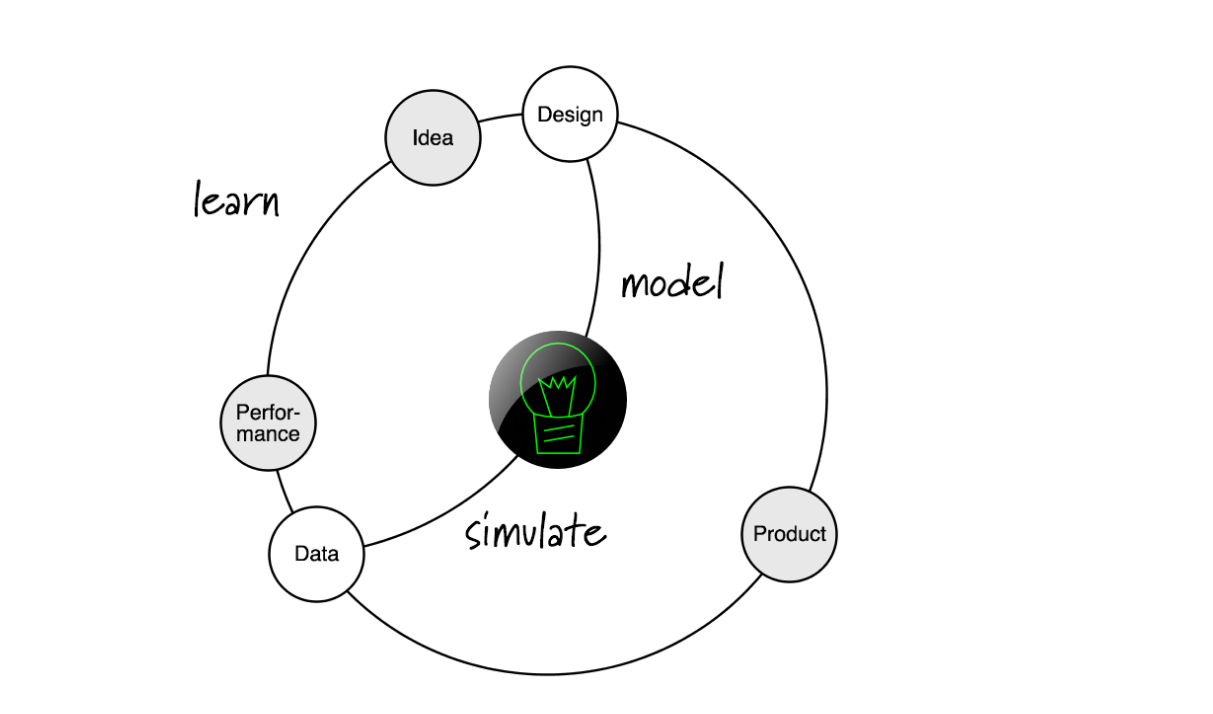
Accelerating learning
Per Lean Startup – same idea to learn, but model instead of build, simulate to measure.
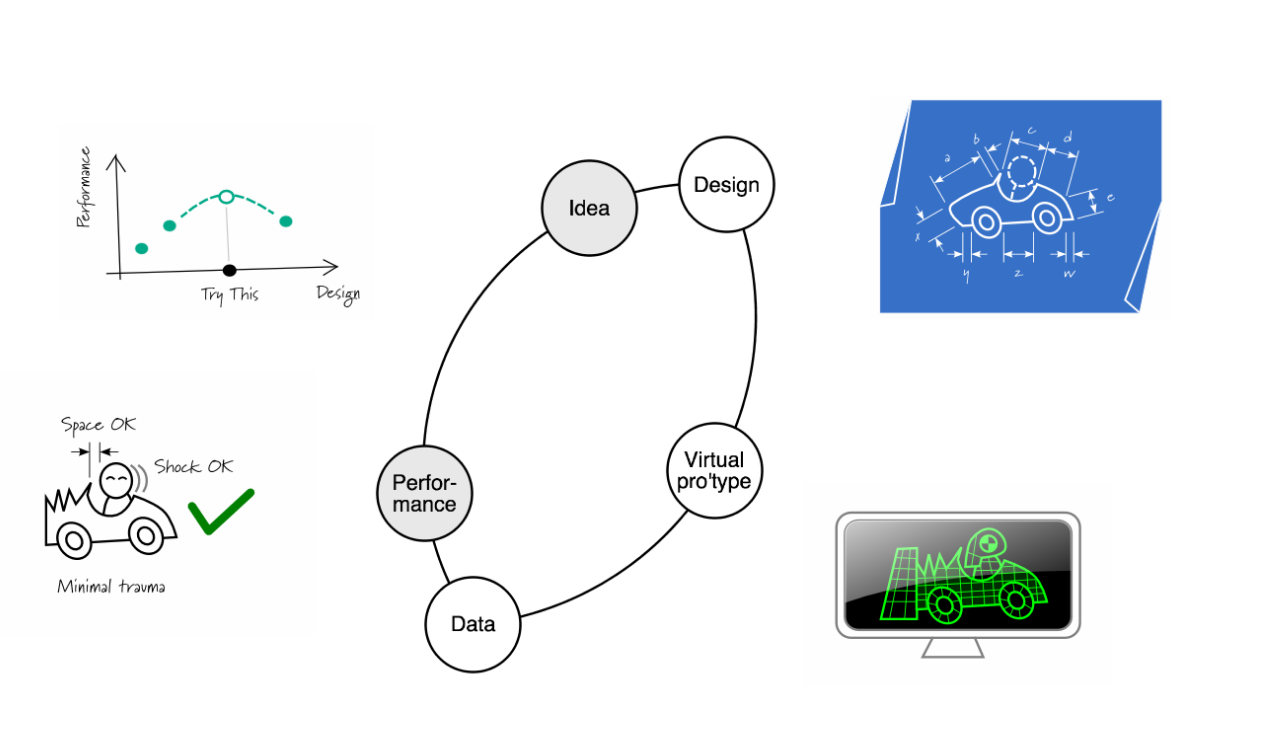
Applied to crash testing
Digital vehicle design is used to create a virtual prototype which undergoes a simulated crash. We measure things we care about to determine the performance of that design.
Applied to contact centres
Design comprises call types, defined worker skills and actual worker skills. Virtual prototype simulated with customer and worker agents and simulated telephony systems. Measure hold time and resolution to determine performance.
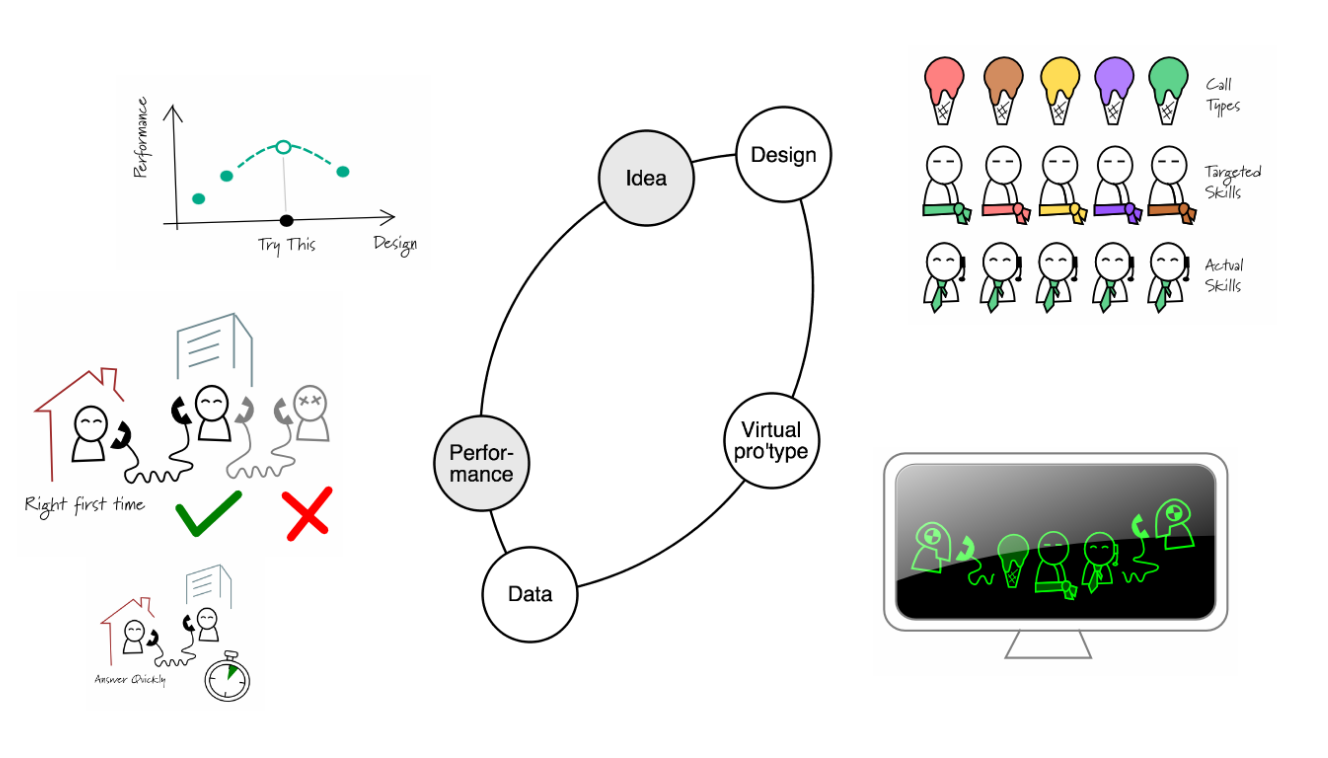
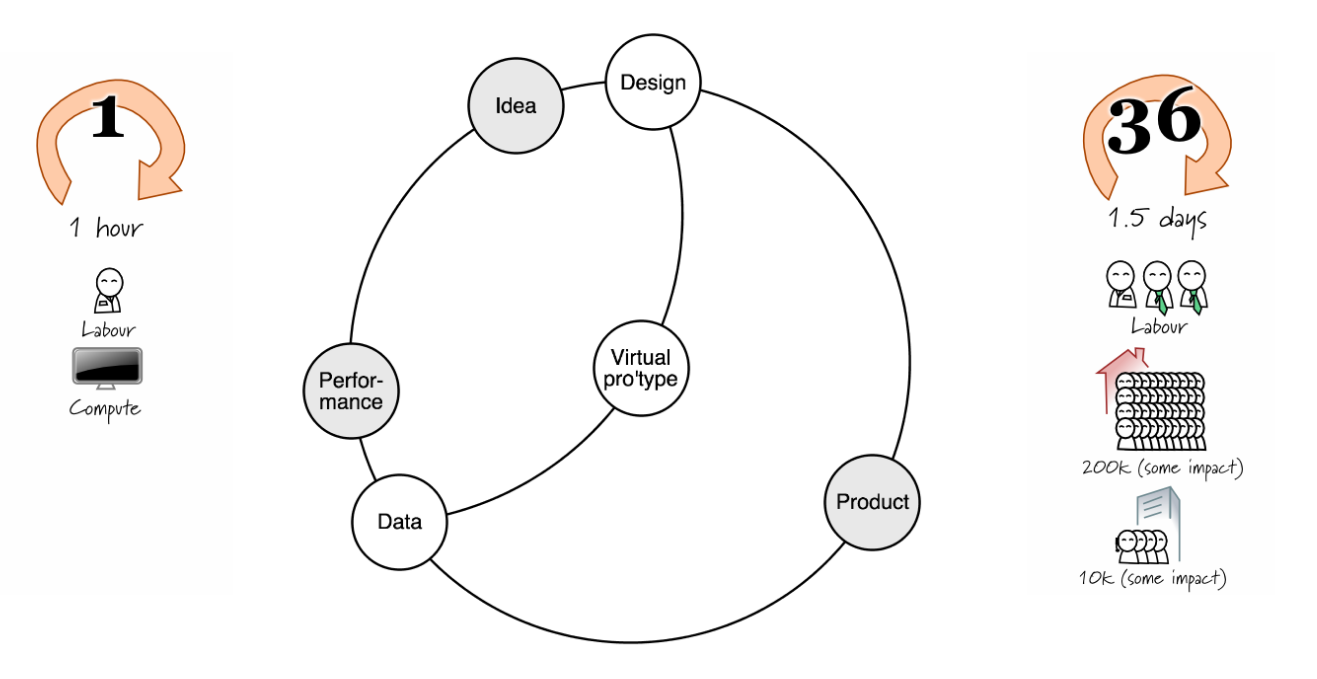
Orders of magnitude faster and cheaper experiments without customer or worker impact drive faster learning leading to better business outcomes.
Limitations
We need a model of the world according to some paradigm, like physical processes, machines, or statistical behaviours.
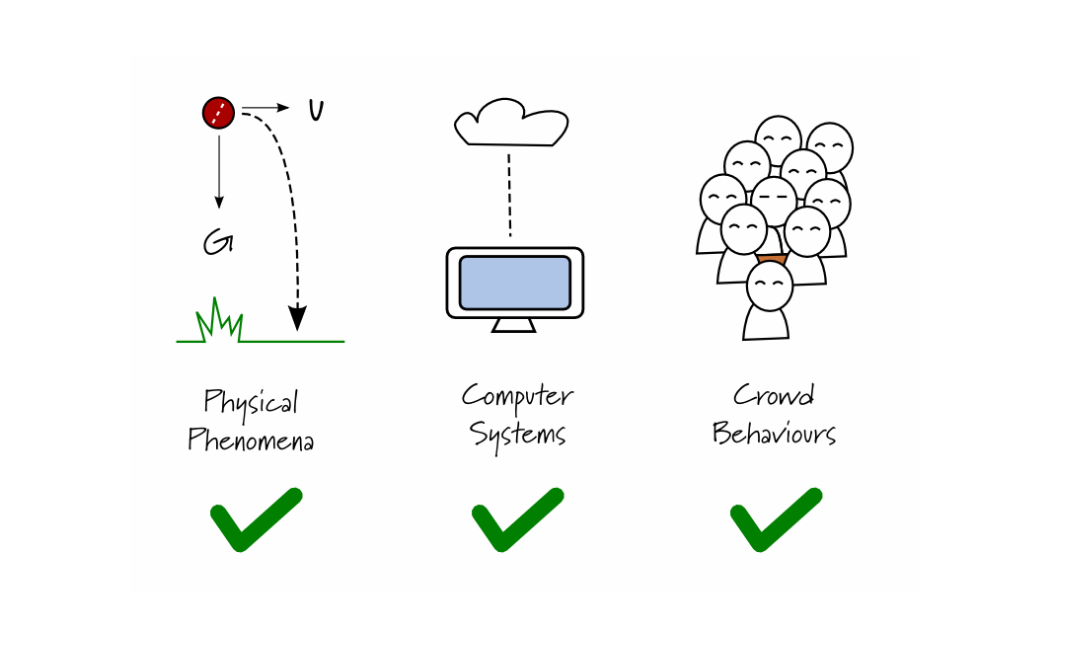
And then we can test things in scope against that model, but other things we must still test in the real world (this is the tweet above).
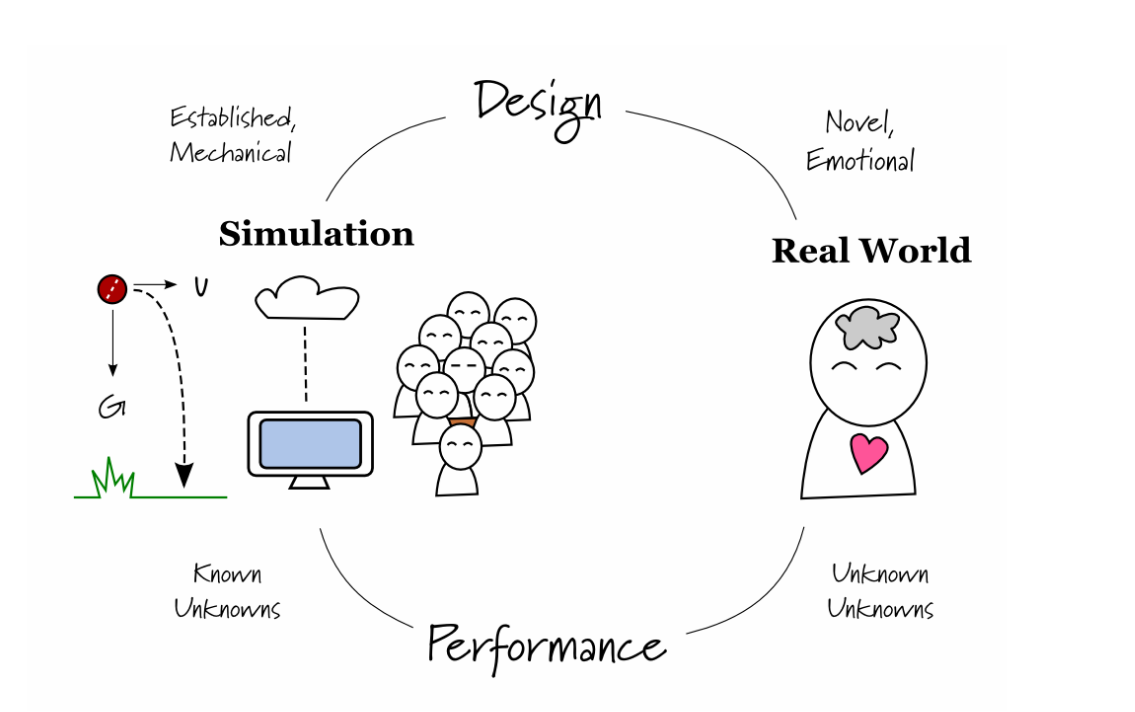
Risks: build simulator wrong, can’t build simulated design in real world, devote too many real-world resources to simulation.
Lean approach to developing simulation capability
Build in thin slices that can reflect design choices as performance measures, driving business decisions. Each slice requires study of the world, developing simulation algorithms, translating data, and running experiments, in a multidisciplinary team.